
Can you visit someone in an Arizona jail before the arraignment? Learn rules, timing, IDs, calls, and bail steps to see them sooner.
Table of Contents
- What “Before Arraignment” Usually Looks Like in Arizona
- Can You Visit Before Arraignment?
- Why Visits Often Don’t Happen Right Away
- What You Can Do Immediately (Calls, Info, Property)
- How to Find Your Loved One Fast (Booking, Location, Status)
- Visitation Rules That Usually Apply in Arizona Jails
- What to Bring: ID, Dress Code, and Visitor Approval
- What Is an Arraignment in Arizona?
- What Happens During an Arraignment Hearing?
- Will Bail or Release Conditions Be Decided at Arraignment?
- Do I Need a Lawyer at My Arraignment?
- How Long Does an Arraignment Take?
- What Happens After the Arraignment?
- How Long Can Police Hold You Before Arraignment?
- Can You Go to Jail at an Arraignment?
- FAQs
- Conclusion
Can I Visit My Family Member in Arizona Jail Before Their Arraignment?
Yes, sometimes you can visit a family member in an Arizona jail before an arraignment. But it depends on the jail, the booking status, and the facility’s visitation schedule.
In many cases, the first 12 to 48 hours are the hardest. Your loved one may be in intake. They may be in a holding cell. They may not be assigned housing yet.
That means visits may not be available right away. But you still have options. You can often make contact by phone. You can confirm where they are. And you can start the bail process.
This guide explains what usually happens in Arizona. It also shows you how to get answers fast. And it helps you support your loved one without making mistakes.
What “Before Arraignment” Usually Looks Like in Arizona
“Before arraignment” usually means the time after arrest and booking. It can include the first appearance. It can include the time waiting for the arraignment date.
In Arizona, many people see a judge quickly. But arraignment timing can vary by court and charge type.
During this window, your loved one may be moved. They may be processed. They may be classified for housing.
That is why families feel stuck. You want to visit. You want to help. But the system moves in steps.
Can You Visit Before Arraignment?
Sometimes, yes. Many Arizona county jails allow visits even before arraignment. But they usually require:
Your loved one is fully booked
A housing assignment is made
Visitation is open for that unit
Your name is approved (in some facilities)
If your loved one is still in intake, visits may be blocked. If they are in a medical unit, visits may be limited.
So, if the jail uses video visitation, you may be able to schedule a video visit sooner. Some facilities also allow kiosk visits.
Why Visits Often Don’t Happen Right Away
The first delay is intake. Intake includes fingerprinting, photos, health screening, and paperwork.
The second delay is classification. The jail decides where the person will stay. They look at charges and safety.
The third delay is scheduling. Jails run on strict visitation blocks. If you miss the window, you wait.
Some holds also delay visits. A “no contact order” can block visits. A protective order can block visits too. If your loved one is on suicide watch, visits may be restricted. If they are in quarantine, visits may be paused.
What You Can Do Immediately (Calls, Info, Property)
Even if you can’t visit, you can still help right away.
First, confirm where they are. Use the jail’s inmate search tool. Or call the jail information line.
Second, ask about phone calls. Many jails use prepaid calling systems. Your loved one may need funds.
Third, ask about property drop-off. Some jails allow you to drop off approved items. Many do not.
Fourth, start bail planning. Bail is often the fastest path to getting them home.

Family calling jail for visitation info
How to Find Your Loved One Fast (Booking, Location, Status)
Start with the basics:
Full legal name
Date of birth
Approximate arrest time
City or county of arrest
Then check the county jail roster. In Arizona, the county matters. Maricopa County rules differ from Pima County.
If the person was arrested by a city agency, they may still be held in a county facility. If you cannot find them online, call the jail. Ask for the booking status. Ask for a housing assignment.
Use calm, clear questions. Keep notes. Write down the booking number.
Visitation Rules That Usually Apply in Arizona Jails
Every jail sets its own rules. But most Arizona jails share common policies.
Common visitation formats:
Video visitation from home
Video visitation at a kiosk
In-person visits behind glass
Limited contact visits (rare)
Common visitation limits:
Time limits per visit
Number of visitors per session
Approved visitor lists
Age rules for minors
Some facilities require you to register online. Some require you to schedule in advance.
And some jails suspend visits on holidays. Some suspend visits during lockdowns.
What to Bring: ID, Dress Code, and Visitor Approval
Bring a valid photo ID. A driver’s license is best. A passport often works.
Do not bring bags, weapons, or prohibited items. Do not bring food, and do not bring tobacco.
Dress modestly. Avoid see-through clothing. Avoid short skirts. So, avoid clothing that looks like jail uniforms.
If the jail requires approval, ask how to get on the list. Some approvals take days. If you are not approved, you may be turned away. That wastes time and adds stress.
What Is an Arraignment in Arizona?
An arraignment is a court hearing where the judge tells the defendant the charges. The judge also asks for a plea. This is often the first formal step in the court case. It sets the tone for what happens next.
In Arizona, an arraignment can happen quickly for some cases. For other cases, it may happen after an initial appearance. Arraignment is not the trial. It is not where guilt is decided.

Jail booking and intake desk
What Happens During an Arraignment Hearing?
The judge calls the case. The defendant stands before the court. The judge confirms identity. The judge reads the charges, and the judge explains key rights. So, the judge asks for a plea. Most people plead “not guilty” at arraignment. This keeps options open.
The judge may set future dates. The judge may set conditions. The hearing is usually short. But it matters.
Will Bail or Release Conditions Be Decided at Arraignment?
Sometimes bail is addressed at arraignment. Often, bail is set earlier at an initial appearance.
If bail was not set, the judge may set it at arraignment.
The judge can also set release conditions. These can include:
No contact orders
Travel limits
Drug testing
Check-ins with pretrial services
If bail is too high, a lawyer can request a bail reduction hearing. If your loved one qualifies, the court may allow release on recognizance.
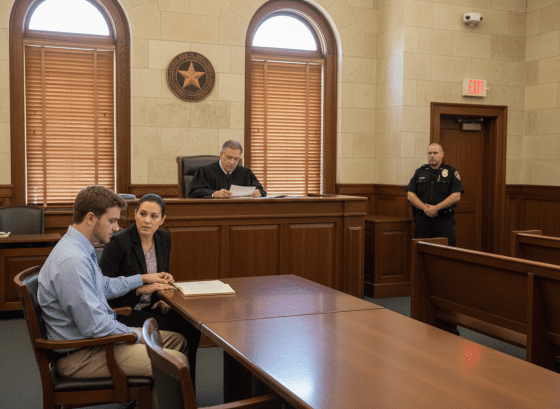
Arizona arraignment courtroom scene
Do I Need a Lawyer at My Arraignment?
A lawyer helps at every stage. Arraignment is no exception. A lawyer can explain the charges. A lawyer can protect your rights. So, a lawyer can argue for a lower bail. A lawyer can request better release terms.
If you cannot afford a lawyer, ask the court for a public defender. Do not go into an arraignment blind. Even a short hearing can impact your freedom.
How Long Does an Arraignment Take?
Most arraignments are quick. Many take 5 to 15 minutes. Some take longer if the court is busy. Some take longer if bail arguments happen.
You may wait hours for your case to be called. The hearing itself is still short. Tell your family to plan for waiting. Bring water. Bring patience.
What Happens After the Arraignment?
After the arraignment, the case moves forward. The court sets deadlines. The defense gets evidence. This is called discovery. There may be pretrial conferences. There may be motion hearings.
Some cases resolve with a plea deal. Some go to trial. If your loved one is in custody, the lawyer can keep pushing for release. If they are out, they must follow the conditions and attend every court date.
How Long Can Police Hold You Before Arraignment?
Police cannot hold someone forever without a court review. In Arizona, most people must see a judge within about 24 hours of arrest. This is often called the “initial appearance” timeframe.
Arraignment timing can vary based on the court calendar and charge type. If the court misses deadlines, a lawyer can raise the issue. If your loved one has not seen a judge, ask the jail for the next court time.
Can You Go to Jail at an Arraignment?
Yes, it can happen. If you are already in custody, you stay in custody unless released. If you are out, the judge can remand you in some situations.
This can happen if you violate release conditions. It can happen if there is a warrant. It can also happen if the judge changes bail terms, and you cannot meet them. That is why legal help matters. Preparation matters.
Can You Visit More Easily After Arraignment?
Often, yes. After the arraignment, your loved one is usually fully processed. Housing is stable.
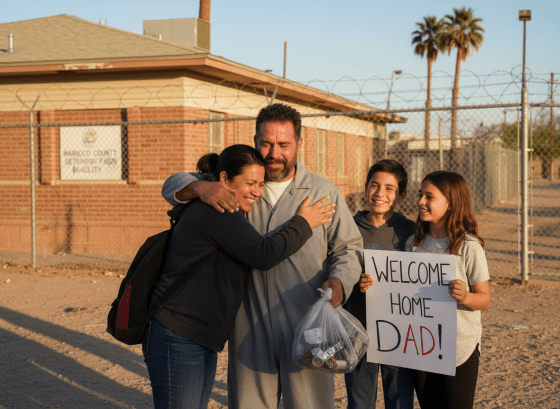
Visitation schedules are clearer. Approved visitor lists may be active. But if the court releases them, you may not need a visit. You may get a reunion instead.
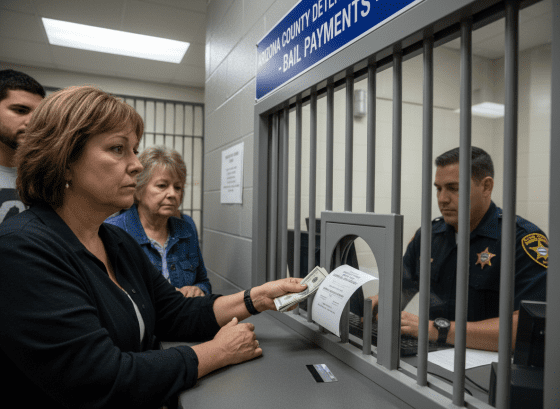
How Bail Help Can Change Everything
If you want to see your loved one sooner, bail is often the fastest path. Posting bail can move the timeline from days to hours.
A bail bond can help when you cannot pay the full bail. You pay a percentage. The bondsman posts the bond. Your loved one can come home while the case continues. This reduces stress. It protects jobs. So, it helps families stay together.
FAQs
What happens at an arraignment in Arizona?
The judge reads the charges. The judge explains rights. The defendant enters a plea. The court may set dates and conditions. Bail may be reviewed. Most people plead not guilty at this stage.
What is the most common plea at an arraignment?
The most common plea is “not guilty.” It protects your options. It gives your lawyer time to review evidence. And it does not mean the case will go to trial.
Can I visit my family member before the arraignment in Arizona?
Sometimes you can. It depends on the booking status and the jail’s visitation rules. If intake is still happening, visits may be blocked. If video visits are available, you may be able to schedule sooner.
Conclusion
Trying to visit a loved one in jail before the arraignment is hard. The system feels slow. The rules feel confusing.
But you are not powerless. You can confirm the booking. You can learn the visitation rules. So, you can set up phone contact. And you can take action on bail.
If you want the fastest path to seeing your loved one, focus on release. A visit helps. Coming home helps more.
CTA
If your family member is in jail in Arizona, call The Bail Barn now. We answer 24/7, and we move fast. We explain the process in plain English.
So, we can help you understand bail, visitation limits, and the quickest way to bring your loved one home. Website: www.thebailbarn.com
Tags
ArizonaBailBonds, ArizonaJailVisitation, TheBailBarn