
Help your family member get out of jail on bond in Arizona. Learn steps, costs, and options. The Bail Barn guides you through the process.
Table of Contents
- Understanding Jail Bonds in Arizona
- Immediate Steps When Your Loved One Is Arrested
- Finding the Right Bail Bondsman
- Understanding Bond Costs and Fees
- Gathering Financial Information Quickly
- Working with Your Family Member’s Lawyer
- Posting Bond and Release Process
- Alternative Release Options Beyond Bonds
- Supporting Your Loved One After Release
- Common Mistakes Families Make
- FAQs
- Conclusion
- CTA
Understanding Jail Bonds in Arizona
Your loved one is arrested. You feel scared and confused. You want to help them get out fast.
A bond is money that secures their release. It promises they’ll return for court dates. Arizona uses bonds to keep people out of jail.
Bonds are not punishments. They’re not fines either. Bonds are simply security deposits.
Once you post bond, your family member is released and allowed to go home to wait for the trial. As a result, you may get most of the money back later.
How Arizona’s Bond System Works
The judge sets a bond amount at the first hearing. This amount depends on the charges. Additionally, it also depends on their criminal history.
Until then, your loved one cannot leave jail until the bond is posted. You must act quickly to help them. Time is critical in these situations.
Arizona has many bond options available. You don’t need to pay the full amount. A bondsman can help you pay less.
Why Bonds Matter for Your Family
Moreover, bonds keep families together during trials. Your loved one stays home with you. They can keep their job and help support the family.
Being in jail is expensive and stressful. Your family member loses income immediately. Jail time makes their case harder to defend.
Getting them out on bond helps everyone. Your family stays stronger. Your loved one can prepare their defense better.
Immediate Steps When Your Loved One Is Arrested
The first hours are critical and confusing. You need to act fast and smart. Here’s exactly what to do right now.
Step 1: Confirm Their Location
Call the local police station first. Ask if your loved one is there. Get their full name and booking number.
Ask what charges they face. Ask what the bail amount is. Write everything down immediately.
If they’re not at the police station, try the county jail. Arizona has multiple detention facilities. You may need to call several places.

Step 2: Contact a Criminal Defense Lawyer
Hire a lawyer immediately if possible. A lawyer fights for lower bond amounts. They know judges and prosecutors.
Public defenders help people who cannot afford lawyers. Ask about public defender services. They’re free for low-income people.
Your lawyer requests the first hearing quickly. They argue for lower bond or release. They protect your loved one’s rights.
Step 3: Gather Important Information
Write down your loved one’s full legal name. Get their date of birth and Social Security number. Find their employment information.
Collect proof of Arizona residency. Get utility bills or lease agreements. Gather information about family ties.
This information helps the judge and bondsman. It shows your loved one has roots in Arizona. It proves they won’t run away.
Step 4: Contact a Bail Bondsman
Search for licensed bail bondsmen in Arizona. Call several companies for quotes. Compare their fees and services.
Tell them the bond amount and charges. Ask about payment plans and options. Ask about their availability for immediate release.
Bondsmen work 24/7 in Arizona. They can post bond at any time. Speed matters when someone is in jail.
Finding the Right Bail Bondsman
Not all bondsmen are equal. Some are honest and helpful. Others are predatory and expensive.
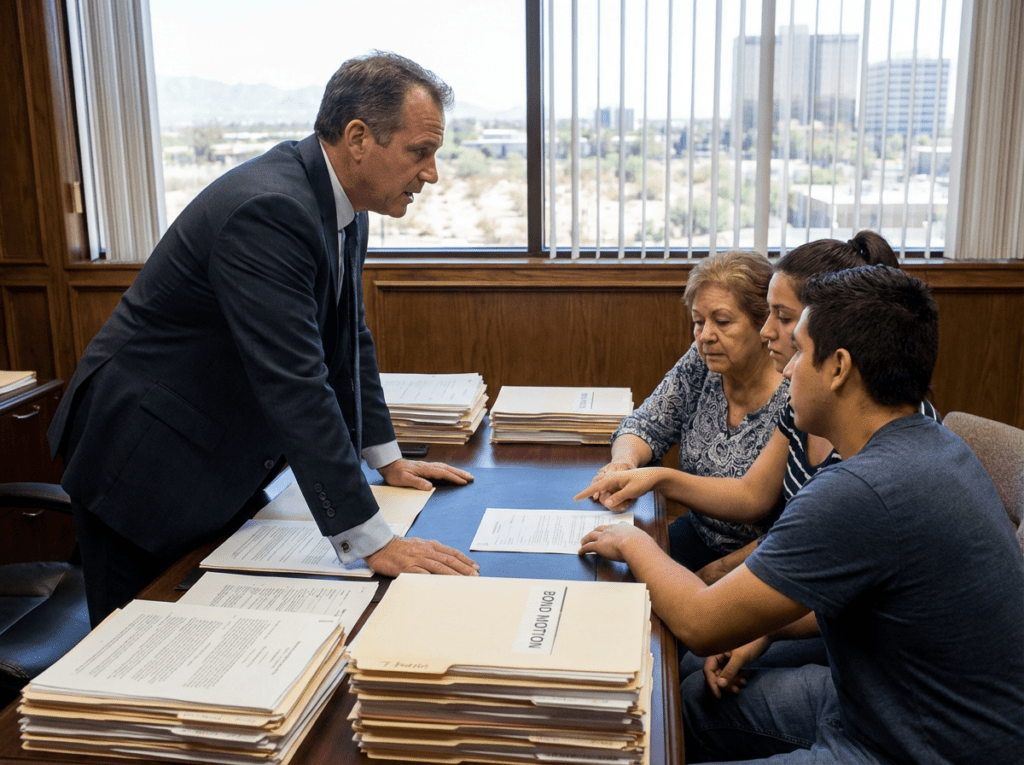
What to Look for in a Bondsman
Check their Arizona license first. Verify they’re licensed by the state. Unlicensed bondsmen are illegal.
Read online reviews and ratings. Look for companies with good feedback. Avoid companies with complaints.
Ask your lawyer for recommendations. Lawyers know reputable bondsmen. They avoid problematic operators.
Questions to Ask Bondsmen
Ask their fee percentage upfront. Arizona allows 10-15% of the bond amount. Some charge more illegally.
Ask about payment plans and options. Also, ask if they accept credit cards or payment plans. Ask about collateral requirements, availability, and response time, as well as how quickly they can post bond. Additionally, please confirm if your services are available 24/7.
Red Flags to Avoid
Never trust bondsmen asking for large upfront payments. Legitimate bondsmen collect fees after posting bond. Avoid anyone asking for cash only.
Never use bondsmen without proper licensing. Check their license number with Arizona authorities. Unlicensed operators are scams.
Never agree to excessive fees or collateral. Compare prices with other bondsmen. Get everything in writing.
Understanding Bond Costs and Fees
Bond costs depend on the bond amount. A $5,000 bond costs differently from a $50,000 bond. Your financial situation matters too.
How Bond Fees Are Calculated
Arizona law allows bondsmen to charge 10-15% of the bond amount. If the bond is $5,000, you pay $500-$750. This fee is non-refundable.
Some bondsmen charge less for good clients. First-time offenders sometimes get discounts. Stable employment can lower fees.
The fee is what you pay the bondsman. It’s separate from the bond itself. You don’t get this money back.
Additional Costs to Expect
Some bondsmen charge processing fees. Some charge paperwork fees, while others charge collateral fees.
Ask about all fees before signing. Get a written fee agreement. Never sign blank agreements.
Transportation and investigation fees sometimes apply. Ask if these are included in the percentage. Get everything explained clearly.
Payment Plans for Bond Fees
Most bondsmen offer payment plans. You don’t pay everything at once. You make monthly payments instead.
Payment plans spread costs over weeks or months. This helps working families afford a bond. Most families use payment plans.
Ask about payment plan terms, interest charges, and late payment penalties.
Gathering Financial Information Quickly
The bondsman needs financial information fast. You must gather documents quickly. Time is critical for your loved one.
Documents You’ll Need
Bring recent pay stubs from employment. Bring tax returns from the last year, along with proof of income and assets.
So, bring proof of Arizona residency. Utility bills work well. Lease agreements or mortgage statements work too.
Bring identification for yourself. Bring your loved one’s identification, as well as any court documents already received.
Proving Financial Responsibility
Show the bondsman you can pay the fee. Bring bank statements showing savings. Bring proof of steady employment.
Show you have ties to Arizona. Bring proof of family here. Bring proof of property ownership.
Show your loved one won’t run away. Bring proof of their employment. Bring proof of their family ties.
What Happens If You Can’t Afford Bond
Tell the bondsman about your financial hardship. Many offer reduced fees for poor families. Some work with people in difficult situations.
Ask about payment plans with low upfront costs. Ask if they accept collateral instead of cash. So, ask about alternative arrangements.
If you truly cannot afford a bond, ask the judge. The judge can lower the bond or release your loved one. The judge considers financial hardship.
Working with Your Family Member’s Lawyer
Your lawyer is your best resource. They know the judge and the system. They fight for your loved one’s freedom.
How Lawyers Help with Bond
Your lawyer requests the first hearing quickly. By presenting evidence of your loved one’s strong ties to Arizona, they argue against excessive bond and demonstrate that your loved one is not a flight risk. Their goal is to convince the judge to lower the bond amount or grant an immediate release.
Your lawyer coordinates with the bondsman. They explain the process to your family. They answer questions about bond and release.
What to Tell Your Lawyer
Tell your lawyer about your financial situation. Explain what you can afford. Be honest about your resources.
Tell your lawyer about your loved one’s ties to Arizona. Explain their job and family. Explain their community connections.
Tell your lawyer about any prior arrests. Be honest about their history. Your lawyer needs all the information.
Working Together for Best Results
Follow your lawyer’s advice carefully. They know what judges want to hear. They know how to present your case.
Provide the documents your lawyer requests quickly. Don’t delay gathering information. Speed helps your loved one.
Ask your lawyer questions about everything. Don’t assume you understand the process. Your lawyer explains everything clearly.
Posting Bond and Release Process
Once you decide to post bond, the process moves fast. You need to act quickly and carefully. Here’s exactly what happens.
Step 1: Contact the Bondsman
Call the bondsman with your decision. Tell them you want to post bond. Confirm the bond amount and fee.
Arrange a meeting time immediately. Many bondsmen meet 24/7. They work nights and weekends.
Bring all required documents to the meeting. Bring your identification and financial records. Additionally, please include proof of residency.
Step 2: Sign Bond Agreement
The bondsman prepares a bond agreement. Read it carefully before signing. Ask questions about anything unclear.
The agreement states the bond amount. It states the fee you’re paying. It states the conditions your loved one must follow.
Sign all required documents. Get copies for your records. Keep these documents safe.
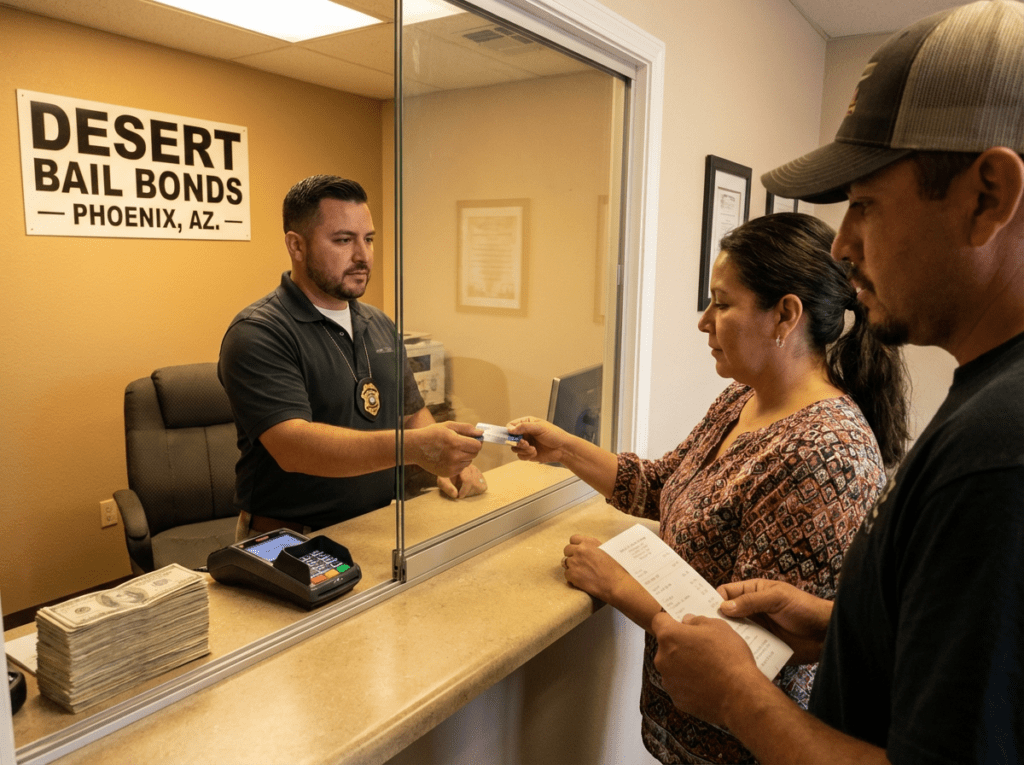
Step 3: Pay the Bond Fee
Pay the bondsman their fee immediately. Most accept cash, credit cards, or checks. Some accept payment plans.
Get a receipt for your payment. Keep this receipt safe. You may need it later.
The bondsman posts the bond with the court. This happens within hours, usually. Your loved one is released after posting.
Step 4: Your Loved One Is Released
The jail releases your loved one after the bond is posted. This usually happens within a few hours. Sometimes it takes longer.
Your loved one comes home to you. They must follow all bond conditions. Breaking conditions means going back to jail.
Celebrate their release, but stay focused. They have a court case ahead. They need your support during the trial.

Alternative Release Options Beyond Bonds
Bonds aren’t the only way to get released. Arizona offers many alternatives. Some cost less or nothing at all.
Release on Own Recognizance (ROR)
ROR means release without any money. The judge releases your loved one on their promise. They sign an agreement to return to court. Therefore, ROR is the best option if approved.
Your lawyer will argue for ROR at the first hearing, ensuring your loved one comes home for free and your family pays nothing at all. They present evidence of ties to Arizona. They show your loved one won’t run away.
Payment Plans Through the Court
The court allows payment plans for the bond. Your loved one pays the bond in installments. They don’t pay everything at once.
Payment plans spread costs over months. This helps families afford a bond. Most working families qualify.
Your lawyer requests a payment plan from the judge. The judge reviews your financial situation. Then, they determine if you meet the requirements.
Unsecured Bonds
Unsecured bonds require no money upfront. The court sets a bond amount. First, you only pay if your loved one violates conditions.
However, if your loved one follows all rules, you pay nothing.
Finally, the bond disappears when the case ends, which is similar to ROR with a set amount.
Your lawyer requests an unsecured bond. The judge approves based on your loved one’s background. First-time offenders often qualify.
Conditional Release Programs
Arizona uses conditional release for many cases. Your loved one is released with conditions. These conditions replace the money bond.
Release conditions may include electronic monitoring, drug testing, and regular check-ins.
Your lawyer requests conditional release. The judge approves based on the charges. This helps people without money.
Supporting Your Loved One After Release
Getting your loved one out of jail is just the beginning. They need your support during the trial. Your help matters for their case and recovery.

Helping Them Follow Bond Conditions
Your loved one must follow all bond conditions. Help them remember court dates. Remind them of check-in appointments.
Help them succeed by ensuring they maintain employment, stay away from prohibited people, and adhere strictly to all rules.
Breaking conditions means going back to jail. Your support helps them stay free. Your encouragement keeps them focused.
Preparing for Court
Your loved one needs a strong defense. Help them gather evidence for their case. Help them organize documents.
Support them emotionally during the trial. Court is stressful and scary. Your presence helps them stay strong.
Encourage them to follow their lawyer’s advice. Their lawyer knows how to win. Your loved one should listen carefully.
Helping with Financial Recovery
Being arrested costs money and time. Your loved one may have lost income. Help them rebuild financially.
We assist them in finding employment, catching up on financial obligations, and planning for long-term success.
Through your support, your loved one can recover faster and your family can grow stronger together.
Common Mistakes Families Make
Families often make costly mistakes. These errors make situations worse. Avoid these problems completely.
Mistake 1: Waiting Too Long to Act
Some families delay posting bond. They hope the judge will release their loved one. This rarely happens.
Act immediately when someone is arrested. Contact a bondsman right away. Every hour matters for your loved one.
Mistake 2: Choosing the Wrong Bondsman
Some families pick bondsmen without checking. They don’t verify licensing or fees. They get scammed or overcharged.
Research bondsmen carefully. Check their licenses and reviews. Compare fees with other companies.
Mistake 3: Not Gathering Documents Fast
Some families take days to gather information. The bondsman needs documents quickly. Delays mean your loved one stays in jail longer.
Gather documents immediately. Have everything ready before meeting the bondsman. Speed helps your loved one.
Mistake 4: Lying About Financial Situation
Some families lie about their finances. They claim poverty when they have money. The court checks everything.
Be honest about your situation. Courts respect honesty. They help people who tell the truth.
Mistake 5: Ignoring Bond Conditions
Some families don’t take conditions seriously. They think violations don’t matter. Violations mean going back to jail.
Take all conditions seriously. Help your loved one follow every rule. One violation ruins everything.
FAQs
How quickly can my loved one get out of jail?
Bail bonds can get someone out within hours. ROR release happens at the first hearing. Payment plans take longer to approve. Electronic monitoring takes a few hours. Most releases happen within 24 hours. Your lawyer speeds up the process. Act immediately for the fastest results.
What if I cannot afford the bond fee?
Payment plans are available from bondsmen. You can pay the fee over weeks. Some charge as little as $100 upfront. Ask about installment options immediately. Bondsmen work with people in financial hardship. Never pay large upfront fees. Ask the judge about a lower bond or alternatives.
What happens if my loved one violates bond conditions?
Violating conditions means going back to jail. New criminal charges may be filed. Their sentence gets longer. The court can revoke their release. They lose all freedom until the trial. Help them follow every condition carefully. One violation ruins everything.
Conclusion
Your loved one is arrested and in jail. You feel scared and overwhelmed. But you can help them get out.
Arizona offers many ways to post bond. Bail bonds are fast and affordable. Payment plans spread costs over time. ROR requires no money at all. Unsecured bonds protect your family. Conditional release adds requirements instead of money.
Your lawyer fights for their freedom. With a deep understanding of all available legal options, they present your case effectively to argue for a lower bond or immediate release.
The Bail Barn understands your situation. Our mission is to help families bring their loved ones home. By guiding you through every legal option, we provide the support you need every step of the way.
Don’t leave your loved one in jail. Act immediately to help them. Your family needs them home, and your loved one needs your support; ultimately, your case improves when they have the freedom to prepare for court from home.
Arizona courts want to help families. They created these options for you. Use them to bring your loved one home.
CTA
Your family member is in jail and needs help now. Don’t know where to start? Call The Bail Barn for immediate assistance.
Our team knows Arizona law inside and out. Our mission is to help families secure their loved one’s release today. By explaining all your options clearly, we empower you to make the best choice for your unique situation.
Don’t wait another day with your loved one in jail. Contact us immediately for help. Don’t wait another day while your loved one is in custody. Contact us immediately for 24/7 emergency assistance; we work tirelessly to secure a fast release because we care about your family and your freedom.
Website: www.thebailbarn.com
Hours: 24/7 Available
Call The Bail Barn right now. We’re here for you. We help your loved one get out today.
Tags
ArizonaBail, FamilySupport, TheBailBarn