
Learn how bail bonds work in Arizona with this complete guide. Understand the process, costs, and how The Bail Barn helps families 24/7.
Getting arrested can be one of the most stressful experiences for anyone. If you or a loved one faces arrest in Arizona, understanding how bail bonds work can make a difficult situation much easier to handle. This guide explains everything you need to know about the bail process in Arizona, from arrest to release.
Table of Contents
- Understanding Bail and Bail Bonds in Arizona
- The Arrest and Booking Process
- How Bail Amounts Are Determined
- Types of Bail Bonds Available
- The Role of a Bail Bondsman
- How to Post Bail in Arizona
- What Happens After Posting Bail
- Responsibilities When Out on Bail
- What If the Defendant Misses Court
- Getting Your Money Back
- How The Bail Barn Helps Arizona Families
- FAQs
- Conclusion
Understanding Bail and Bail Bonds in Arizona
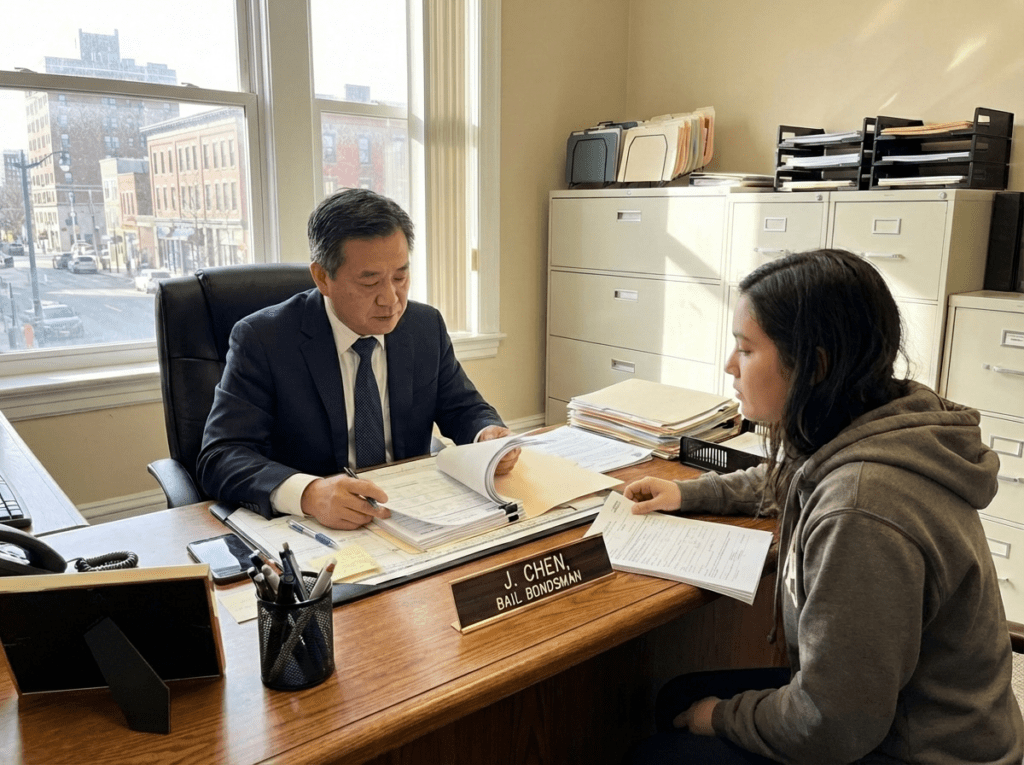
Bail is money paid to the court that acts as insurance. It ensures the person arrested will return for their court dates. Think of it as a deposit that guarantees someone shows up to face their charges.
When someone gets arrested in Arizona, they typically stay in jail until their court hearing unless they post bail. The bail amount depends on the charges, criminal history, and flight risk. Arizona law allows defendants to secure their release by paying the full bail amount or working with a licensed bail bondsman.
A bail bond is a financial agreement between the defendant, a bail bonds company, and the court. Instead of paying the full bail amount, you pay a percentage (usually 10% in Arizona) to a bondsman who then posts the full bail on your behalf.
The Arrest and Booking Process
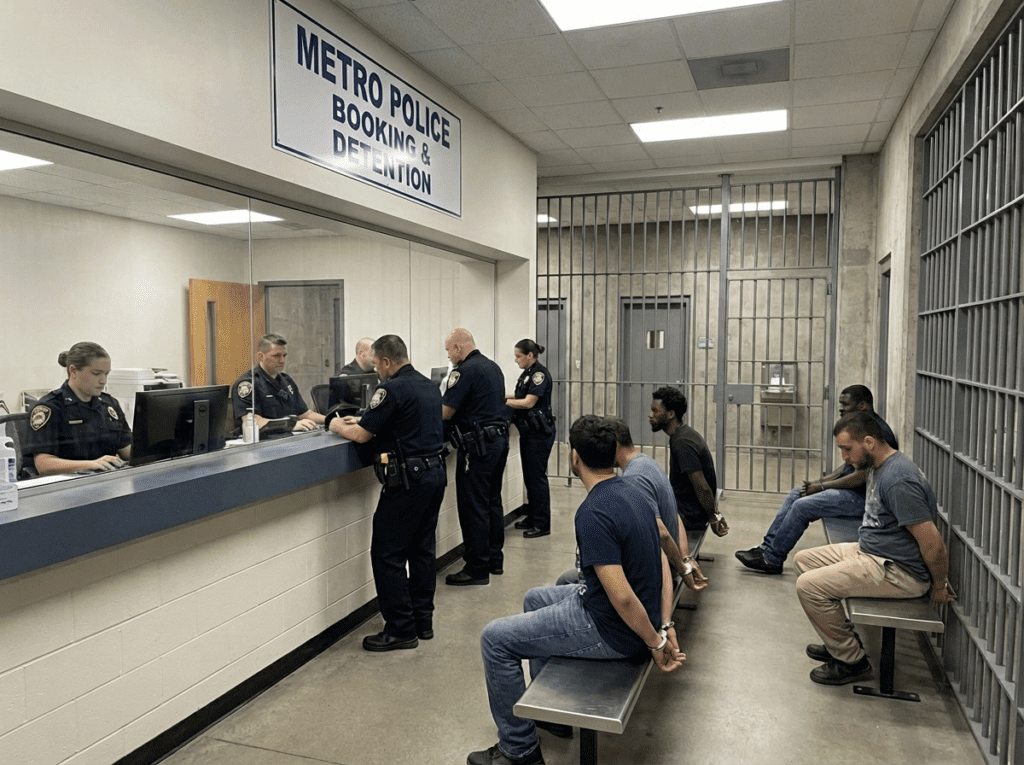
When law enforcement arrests someone in Arizona, they transport them to a local jail for booking. The booking process includes:
Recording personal information
Taking fingerprints and photographs
Conducting background checks
Documenting the charges
Searching for outstanding warrants
This process typically takes 2-4 hours, though it can take longer during busy periods. Once the booking completes, the defendant learns their bail amount. In some cases, judges set bail at arraignment hearings, which happen within 24 hours of arrest.
Arizona operates jails in every county, including Maricopa County (Phoenix area), Pima County (Tucson), and smaller facilities throughout the state. Each facility follows state guidelines for processing arrests and setting bail.
How Bail Amounts Are Determined

Arizona judges consider multiple factors when setting bail amounts:
Severity of Charges: More serious crimes carry higher bail amounts. Misdemeanors typically range from $500 to $5,000, while felonies can reach $100,000 or more.
Criminal History: First-time offenders usually receive lower bail than repeat offenders. Prior convictions, especially for similar offenses, increase bail amounts.
Community Ties: Strong connections to Arizona, like steady employment, family, property ownership, or long-term residency, can result in lower bail.
Flight Risk: Judges assess whether someone might flee. Factors include financial resources, passport possession, and ties to other states or countries.
Public Safety: If releasing someone poses danger to the community or specific individuals, judges set higher bail or deny it entirely.
Arizona uses bail schedules that provide standard amounts for common offenses. However, judges have discretion to adjust these amounts based on individual circumstances.
Types of Bail Bonds Available
Arizona recognizes several types of bail bonds:
Cash Bail: Paying the full bail amount in cash directly to the court. You receive this money back after the case concludes, minus any fees or fines.
Surety Bond: The most common type. A bail bondsman posts the full amount while you pay a non-refundable premium (typically 10% of the total bail).
Property Bond: Using real estate as collateral. The property must have equity exceeding the bail amount. This process takes longer and requires court approval.
Release on Own Recognizance (OR): The defendant signs a promise to appear without posting money. Judges grant OR release for minor offenses and low-risk defendants.
Citation Release: For minor violations, officers issue citations requiring court appearance without arrest or bail.
The Role of a Bail Bondsman
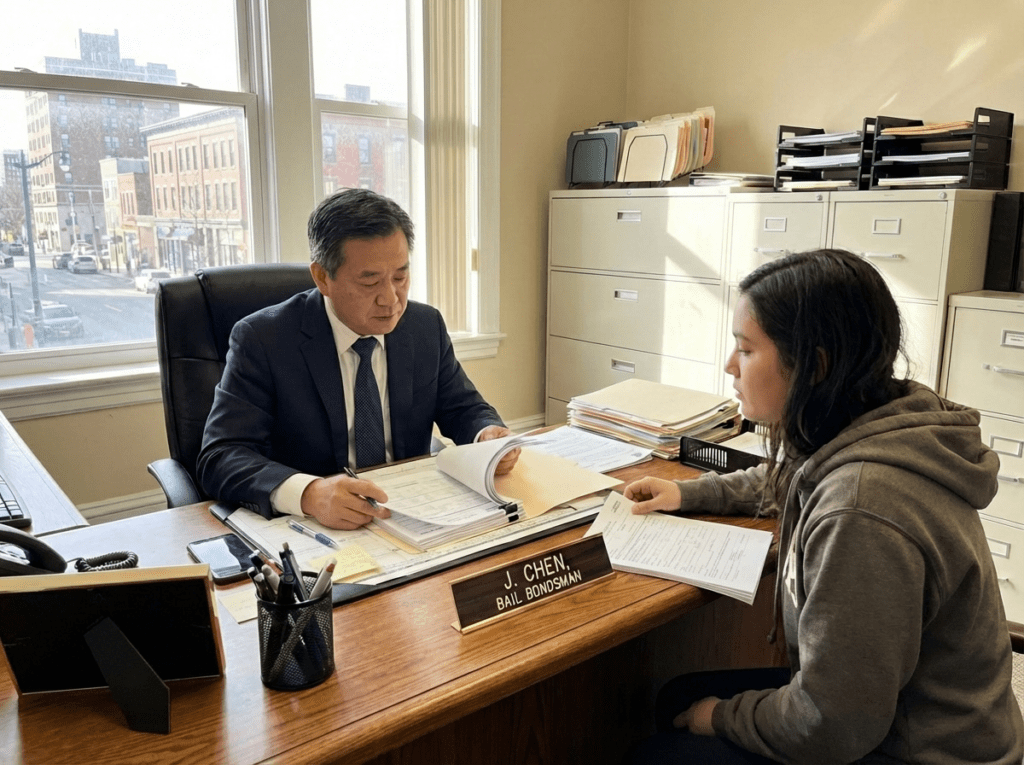
Bail bondsmen (also called bail agents) are licensed professionals who post bail on behalf of defendants. They charge a premium, usually 10% of the total bail amount, which is non-refundable.
Here’s how it works: If bail is set at $10,000, you pay the bondsman $1,000. The bondsman then posts the full $10,000 with the court. This $1,000 fee is the bondsman’s payment for taking the financial risk.
Bondsmen may require collateral for high bail amounts. Collateral can include vehicles, real estate, jewelry, or other valuable assets. If the defendant appears at all court dates, the bondsman returns the collateral.
Arizona requires bail bondsmen to hold licenses through the Arizona Department of Insurance and Financial Institutions. Licensed agents must complete training, pass examinations, and maintain bonds to protect consumers.
How to Post Bail in Arizona
The process of posting bail involves several steps:
Step 1: Contact a Bail Bondsman. Call a licensed bail bonds company immediately after arrest. Most operate 24/7 because arrests happen at any time. Provide the defendant’s name, booking number, and jail location.
Step 2: Complete the Application. The bondsman gathers information about the defendant, including employment, residence, and references. This helps assess risk and determine collateral requirements.
Step 3: Sign the Agreement. You’ll sign a contract agreeing to pay the premium and accepting responsibility for ensuring the defendant appears in court. An indemnitor (co-signer) may be required.
Step 4: Pay the Premium. Pay the non-refundable fee, typically 10% of the bail amount. Most bondsmen accept cash, credit cards, and payment plans.
Step 5: Bondsman Posts Bail The bondsman delivers the bond to the jail or court. Processing times vary by facility but usually take 2-8 hours.
Step 6: Defendant Release Once the jail processes the bond, they release the defendant. Release times depend on jail workload and time of day.
What Happens After Posting Bail
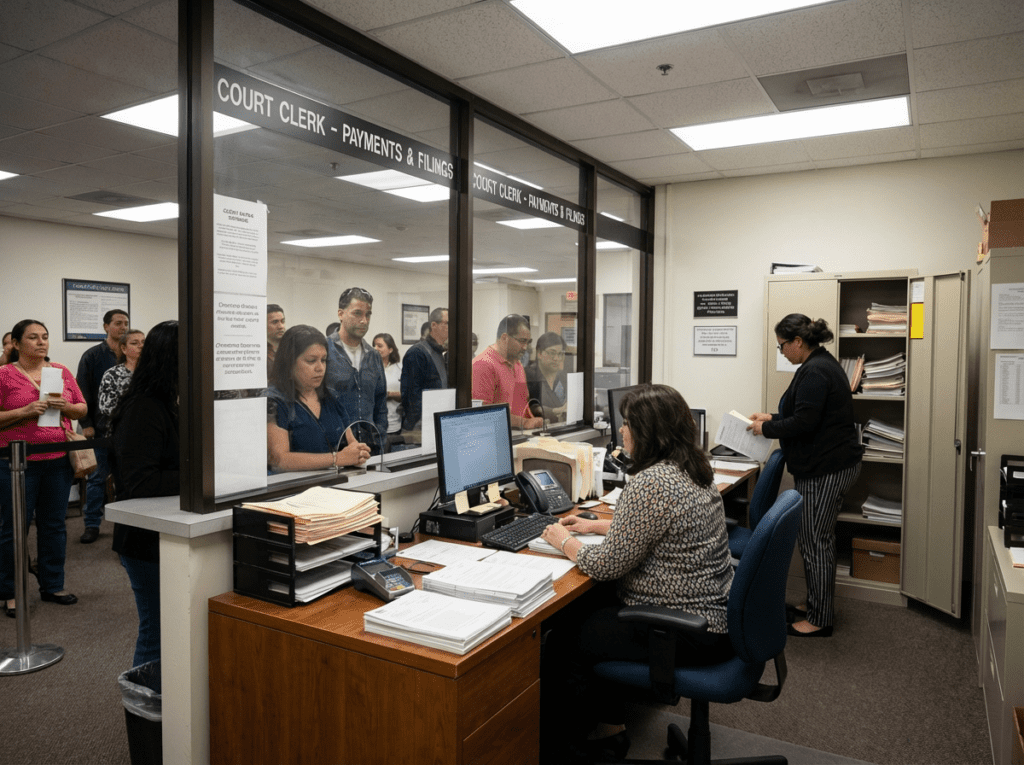
After release, defendants must follow specific conditions:
Attend All Court Dates: Missing court dates results in bail forfeiture and additional charges. The court issues a bench warrant for arrest.
Follow Court Orders: Judges may impose conditions like travel restrictions, no-contact orders, drug testing, or electronic monitoring.
Stay in Contact: Keep your bondsman informed of address changes, phone numbers, and any issues that might affect your case.
Avoid New Arrests: Getting arrested for new offenses while out on bail can result in bail revocation and immediate return to jail.
The court sends notices about hearing dates. However, defendants should also check court websites regularly and maintain contact with their attorney.
Responsibilities When Out on Bail
Being released on bail comes with serious obligations:
You must appear at every scheduled court date. Courts typically schedule multiple hearings, including arraignment, pre-trial conferences, and trial. Missing even one appearance has severe consequences.
Follow all conditions set by the judge. These might include staying away from certain people or places, maintaining employment, or participating in treatment programs.
Keep your bondsman updated. If you move, change jobs, or face any circumstances that might affect your case, inform your bail agent immediately.
Remember that bail is a privilege, not a right. Violating conditions can result in bail revocation, meaning you return to jail until your case concludes.
What If the Defendant Misses Court
Missing a court appearance triggers immediate consequences:
The judge issues a bench warrant for arrest. Law enforcement can arrest the defendant at any time without additional probable cause.
The court declares the bail forfeited. This means the full bail amount becomes due immediately.
The bondsman has a limited time to locate and return the defendant to custody. Arizona law gives bondsmen 180 days to surrender the defendant and request bail exoneration.
If the bondsman used collateral, they can seize it to cover losses. This might include selling property, vehicles, or other assets.
Additional charges may be filed. Failure to appear is a separate crime in Arizona, carrying penalties including jail time.
Getting Your Money Back

If you paid cash bail directly to the court, you receive a refund after the case concludes. Whether through dismissal, plea agreement, or trial. However, the court deducts any fines, fees, or restitution ordered by the judge.
The refund process takes 4-8 weeks after case conclusion. Courts mail checks to the address on file, so keeping contact information current is essential.
If you used a bail bondsman, the 10% premium is non-refundable. This fee compensates the bondsman for their service and risk. However, any collateral posted returns to you once the case concludes and all conditions are met.
How The Bail Barn Helps Arizona Families
At The Bail Barn, we understand that arrests create stress and confusion for entire families. We’ve helped thousands of Arizona residents navigate the bail process with compassion and professionalism.
24/7 Availability: Arrests don’t follow business hours. We’re available around the clock, every day of the year, including holidays. Call us at (623) 428-BARN anytime you need help.
Fast Service: We work quickly to secure release. Our experienced agents know every jail in the Phoenix area and maintain strong relationships with court officials, ensuring efficient processing.
Flexible Payment Options: We offer payment plans that fit your budget. Not everyone has 10% of bail available immediately, and we work with families to find solutions.
Statewide Coverage: Whether your loved one is in Maricopa County, Pima County, or anywhere in Arizona, we can help. Our network covers the entire state.
Guidance Through the Process: We explain every step clearly, answer all questions, and provide support throughout the case. Many clients have never dealt with the legal system before, and we make it less intimidating.
Confidential Service: We treat every case with discretion and respect. Your privacy matters to us.
Licensed and Experienced: Our agents hold proper licenses and have years of experience in Arizona’s bail system. We know the laws, procedures, and best practices to serve you effectively.
FAQs
Q: How much does a bail bond cost in Arizona?
A: Arizona bail bonds typically cost 10% of the total bail amount. This is a non-refundable payment to the bondsman. For example, if bail is $5,000, you pay $500 to the bondsman. Some bondsmen offer payment plans for qualified clients. Additional fees may apply for services like electronic monitoring or travel permits.
Q: Can I get a bail bond with credit?
A: Yes. Most bail bondsmen don’t require credit checks. They focus on your ability to pay the premium and your ties to the community. You may need a co-signer or collateral, especially for higher bail amounts. At The Bail Barn, we work with people in all financial situations to find solutions.
Q: What happens if I can’t afford bail?
A: If you cannot afford the full bail amount, a bail bondsman can help by requiring only 10% upfront. If you cannot afford even that amount, ask about payment plans. Alternatively, your attorney can request a bail reduction hearing where a judge may lower the amount. For minor offenses, you might qualify for release on your own recognizance (OR), which requires no payment.
Conclusion
Understanding how bail bonds work in Arizona empowers you to act quickly and effectively when facing arrest. The process doesn’t have to be overwhelming when you have the right information and support.
Remember these key points: Bail ensures court appearance, bondsmen post bail for a 10% fee, missing court has serious consequences, and professional help makes the process smoother.
Arizona’s bail system balances public safety with the presumption of innocence. While navigating it can feel complicated, thousands of people successfully post bail and fulfill their obligations every year.
The most important step is acting quickly. The sooner you contact a bail bondsman, the sooner your loved one can return home to prepare their defense with family support.
CTA
Don’t wait; every minute counts. If someone you care about has been arrested in Arizona, call The Bail Barn immediately at (623) 428-BARN. We’re available 24 hours a day, 7 days a week to provide fast, professional bail bond services throughout Arizona.
Our experienced agents will guide you through every step, answer all your questions, and work quickly to secure release. We offer flexible payment plans and treat every client with respect and confidentiality.
Visit us online at www.thebailbarn.com or call now. When you need help, we’re here for you.
Tags
Arizona bail bonds, how bail works, Phoenix bail bondsman