
Learn Arizona bail conditions, rules, and restrictions. Stay compliant and avoid jail. The Bail Barn guides your next steps clearly.
Table of Contents
- Understanding Bail in Arizona
- Common Bail Conditions Explained
- What You Must Do on Bail
- What You Cannot Do on Bail
- Restrictions on Travel and Movement
- Contact Rules and No-Contact Orders
- Drug and Alcohol Testing Requirements
- Electronic Monitoring and Check-Ins
- Financial Obligations and Fees
- Violating Bail Conditions: What Happens
- How to Change Your Bail Conditions
- FAQs
- Conclusion
- CTA
Understanding Bail in Arizona
Bail lets you leave jail before trial. The court sets bail to make sure you return. Bail is a promise to follow the rules.
Bail conditions are strict. The judge decides each rule. You must follow every condition to stay free.
Bail is not a right for every charge. Some crimes mean no bail. Most people get a chance for release with rules.
Getting out of jail is important. It helps you work and support your family. It lets you prepare your defense properly.
How Arizona Sets Bail
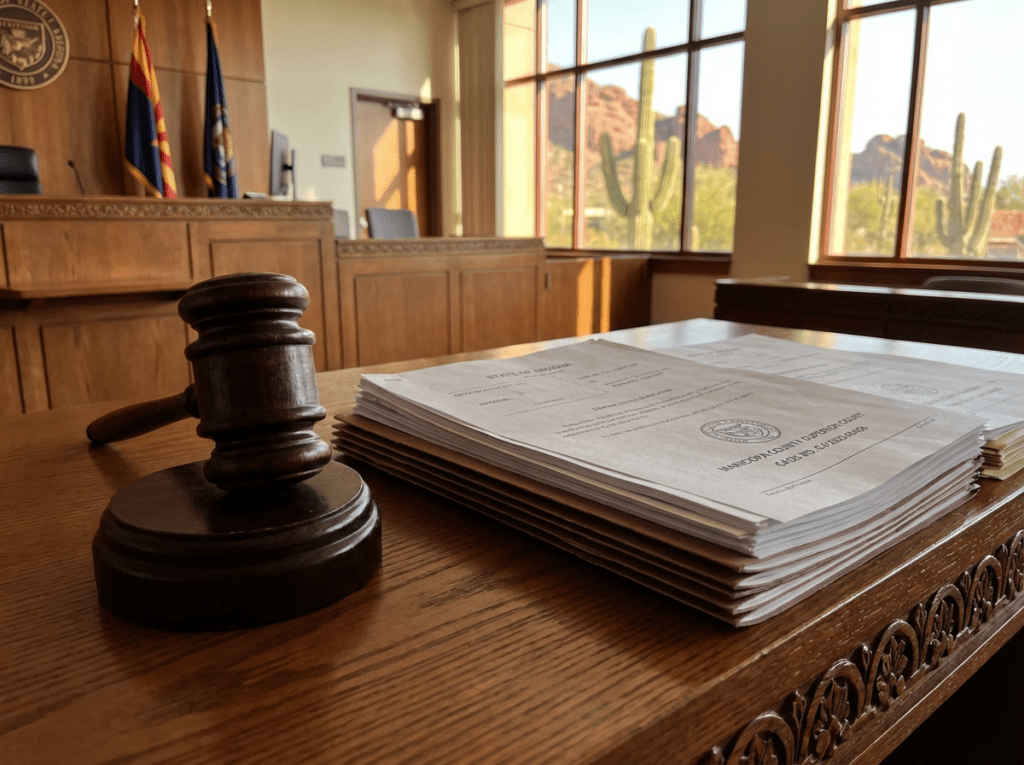
Arizona courts look at your record. They check the current charge. They consider your risk to the community.
The judge sets bail at your first hearing. Your lawyer can ask for a lower bail. The prosecutor can ask for more rules.
Bail can be cash, bond, or no money. Some people get released on their promise only. Others need a bail bond company.
The amount depends on many factors. Serious crimes get higher bail. First-time offenders get lower bail.
Your job and family ties matter. Stable housing helps your case. Community connections show you’ll return.
Why Bail Conditions Matter
Bail conditions protect the community. They ensure you show up for court. They reduce crime while you wait for trial.
Conditions keep victims and witnesses safe. They prevent you from committing new crimes. They help the court system work fairly.
Understanding conditions is critical. Breaking them means serious consequences. You could lose your freedom and money.
Common Bail Conditions Explained
Bail conditions keep people safe. They help courts keep track of you. They lower the risk of new crimes.
Most conditions are standard in Arizona. Some are specific to your case. The judge explains everything in writing.
Typical Arizona Bail Conditions
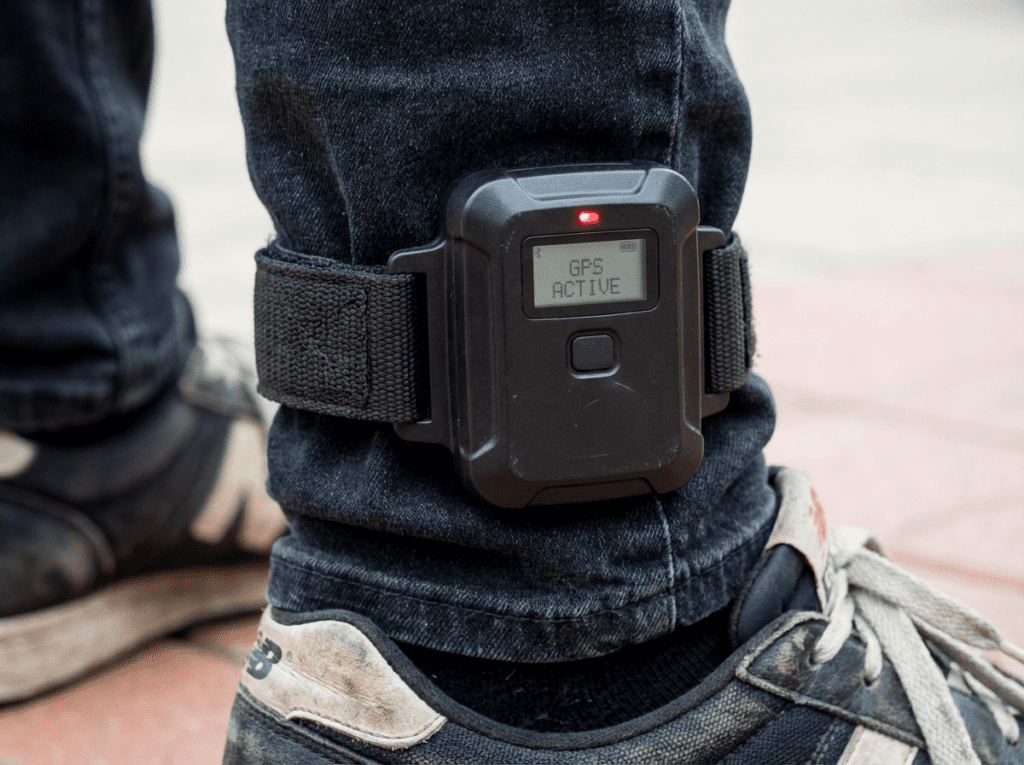
Stay in Arizona unless allowed. Avoid certain people or places. Follow all laws and court orders.
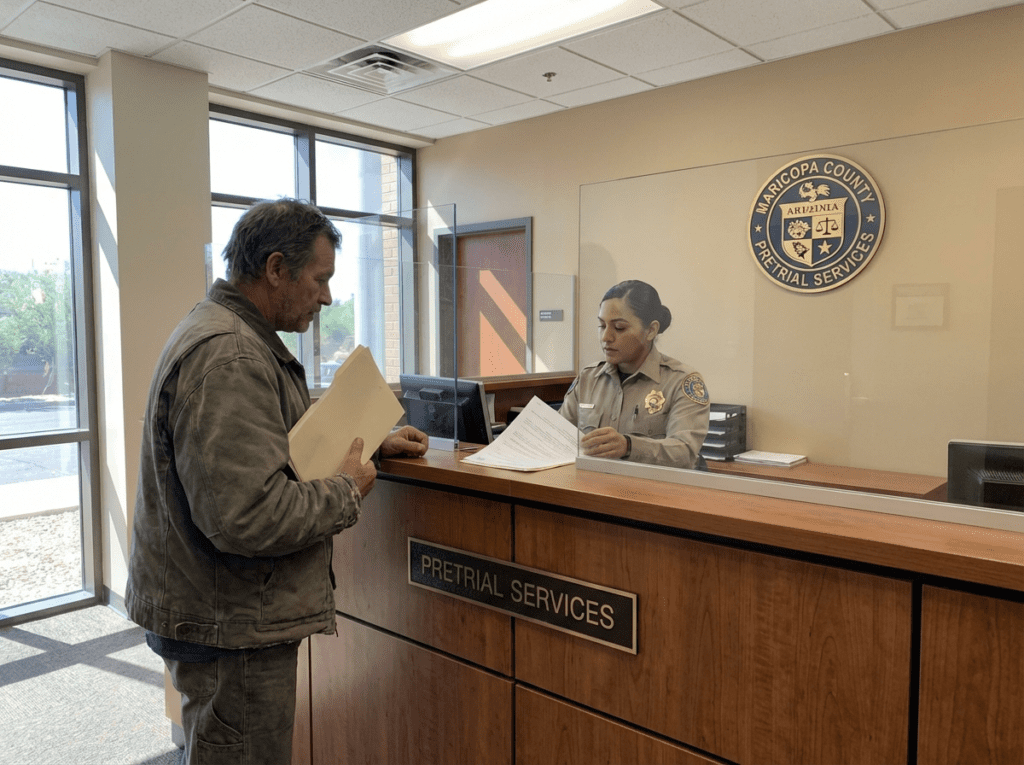
Check in with pretrial services. Submit to drug and alcohol tests. Wear a GPS ankle monitor if required.
No weapons or illegal drugs. Attend all court dates. Pay all fees and fines on time.
Maintain current employment or seek work. Live at a stable address. Report address changes immediately.
Avoid contact with alleged victims. Don’t go near their homes or workplaces. Don’t communicate through any method.
Surrender your passport if required. Don’t apply for new travel documents. Don’t plan to leave the country.
Who Sets Bail Conditions?
The judge decides the rules. Your lawyer can ask for changes. The prosecutor can request strict rules.
The court explains your conditions in writing. Read them carefully. Ask questions before you leave jail.
Your bail agent also enforces conditions. They monitor your compliance. They report violations to the court.
Pretrial services officers check on you. They conduct drug tests. They verify your check-ins and location.
What You Must Do on Bail
Follow every court order. Show up to all hearings. Stay in contact with your lawyer.
Check in with pretrial services if ordered. Take drug or alcohol tests as required. Pay all court-ordered fees.
Tell the court your address. Update if you move. Respond quickly to any court notice.
Attend all scheduled appointments. Be on time always. Never miss a deadline.
Keep your lawyer informed. Tell them about changes in your situation. Ask permission before making big decisions.
Maintain employment or school. Show you’re responsible. Prove you’re contributing to society.
Why Following Rules Matters
Breaking rules means going back to jail. The judge can raise your bail. You can lose your bond money.
Following the rules helps your case. It shows respect for the court. It keeps you out of more trouble.
Judges notice compliance. It can help at sentencing. It shows you take the process seriously.
Your bail agent watches everything. They report to the court. Good behavior helps your case.
What You Cannot Do on Bail
Follow all laws and comply fully with court orders. Remain in Arizona unless you receive judicial approval to travel. Avoid any contact with protected individuals.
Attend every court appearance without fail. Complete all required check-ins and testing, and provide truthful information at all times. Maintain regular communication with your bail agent and attorney.
Do not attempt to flee, evade authorities, or alter your appearance to avoid identification. Stay away from known criminals and locations associated with illegal activity. Keep off social media regarding your case and avoid discussing details publicly, especially with witnesses or victims.
Carefully review and retain all court documents, and comply promptly with every notice or directive you receive.
Restrictions on Travel and Movement
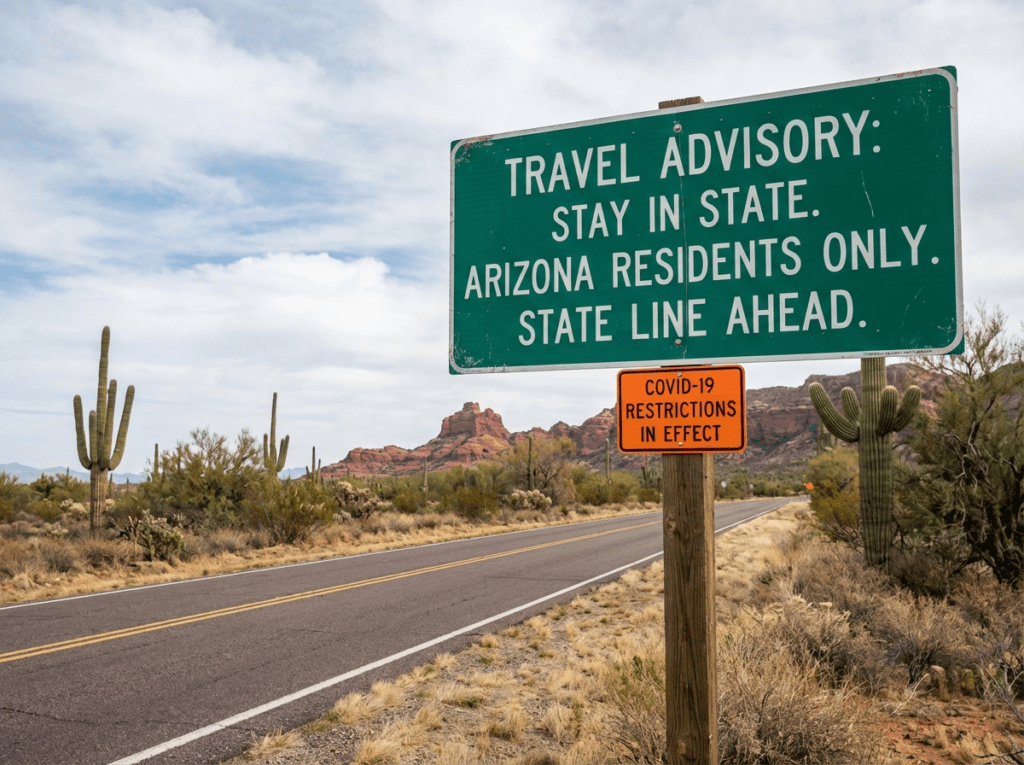
Most bail conditions limit travel. You must stay in Arizona. Some courts allow travel for work or emergencies.
Ask the judge before leaving the state. Get written approval. Keep proof with you at all times.
Do not cross state lines without permission. Officers can arrest you for leaving. You may lose your bail.
Travel approval is rare. The judge must have a good reason. Work or family emergencies might qualify.
How to Request Travel Permission
Talk to your lawyer first. Explain why you need to travel. Gather supporting documents.
Your lawyer files a motion. The judge reviews your request. The prosecutor can object.
The court may approve limited travel. You get written permission. Keep it with you always.
Some judges allow travel with restrictions. You might need to check in daily. You might need to report your location.
Never travel without approval. It’s considered fleeing. Authorities will arrest you immediately.
Contact Rules and No Contact Orders
The court may issue no-contact orders. Do not contact victims or witnesses. Do not ask others to contact them.
No contact means no calls, texts, or social media. Do not meet in person. Follow all protective orders exactly.
Breaking contact rules is serious. The court can send you back to jail. You may face new charges.
Understanding No Contact Orders
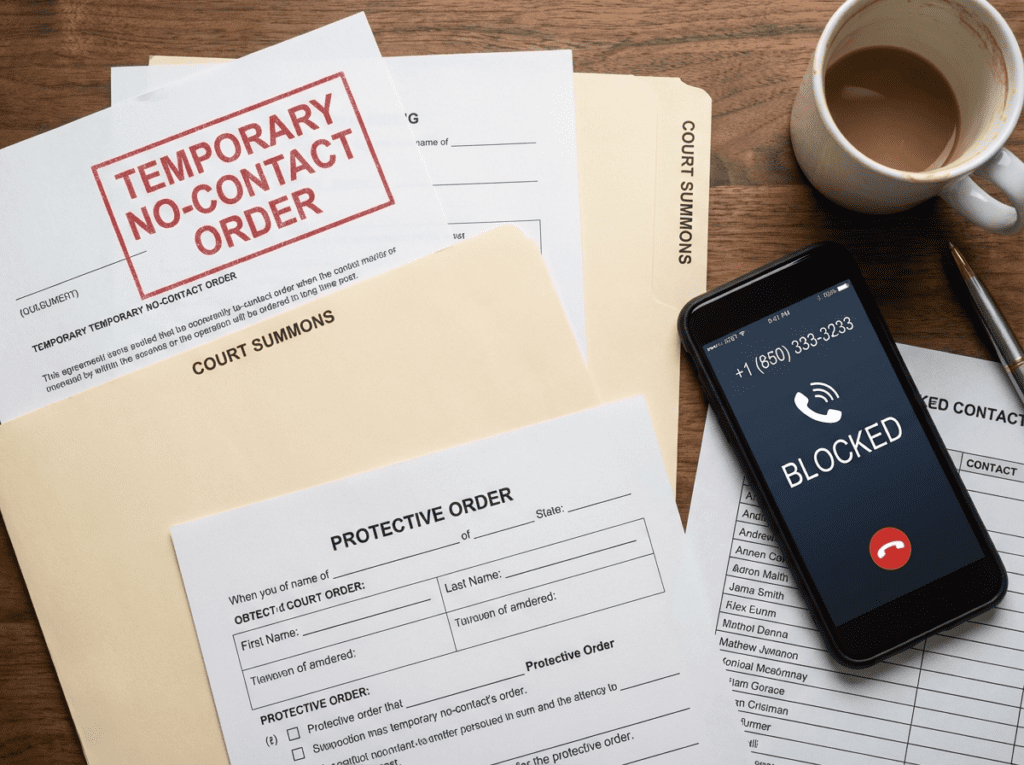
No contact orders protect people. They keep victims safe from harassment. They prevent witness intimidation.
The court decides who you can’t contact. It might be one person or many. It might include their family members.
You can’t contact them directly or indirectly. You can’t ask friends to pass messages. So, you can’t send gifts or letters.
Social media contact counts as a violation. Liking posts counts as contact. Commenting counts as contact.
Consequences of Contact Violations
Breaking no-contact orders is a crime. You face new charges. You go back to jail immediately.
The judge can increase your bail. You lose all freedom. Your case gets much worse.
Drug and Alcohol Testing Requirements
Some bail conditions require testing. You may need regular drug or alcohol tests. The court sets the schedule.
Do not miss a test. Failing a test is a violation. Always be honest with your pretrial officer.
If you have a prescription, show proof. Tell your lawyer about all medicines. Follow medical advice and court rules.
How Testing Works
Pretrial services schedule tests. You might test weekly or monthly. Some people test randomly.
You go to a testing facility. Staff collects your sample. Results come back in days.
Positive results are reported to the court. The judge gets notified. You may face new charges.
Prescription Medications
Tell your officer about all prescriptions. Show the bottle and label. Keep documentation with you.
Some medications show up on tests. Your officer needs to know. They can note it in the system.
Never skip doses to pass tests. That’s dangerous and illegal. Be honest about your medications.
Electronic Monitoring and Check-Ins
Some people get electronic monitors. GPS ankle bracelets track your location. You must charge and wear it always.
Check in with pretrial services as ordered. Some check-ins are in person. Others are by phone or video.
Missing a check-in is a violation. The court may issue a warrant. Always follow your schedule.
GPS Ankle Monitor Requirements
The monitor tracks your location 24/7. You must wear it at all times. You can’t remove it yourself.
Then, you must keep it charged. Charging cables are provided. Failure to charge is a violation.
The monitor has a range limit. You can’t go beyond certain areas. Leaving the zone triggers an alarm.
Check-In Procedures
In-person check-ins happen at offices. You show your ID. Staff verifies your information.
Phone check-ins are quick. You answer questions about your location. You confirm you’re following the rules.
Video check-ins use computers. You appear on camera. Staff verifies your identity and location.
Never miss a check-in. Call immediately if you’re delayed. Explain the situation to your officer.
Financial Obligations and Fees
You must pay court fees and fines. Pay your bail bond company on time. Keep receipts for all payments.
If you cannot pay, tell the court. Ask for a payment plan. Do not ignore bills or letters.
Unpaid fees can mean jail. The court can revoke your bail. Always communicate about money problems.
Bail Bond Company Fees
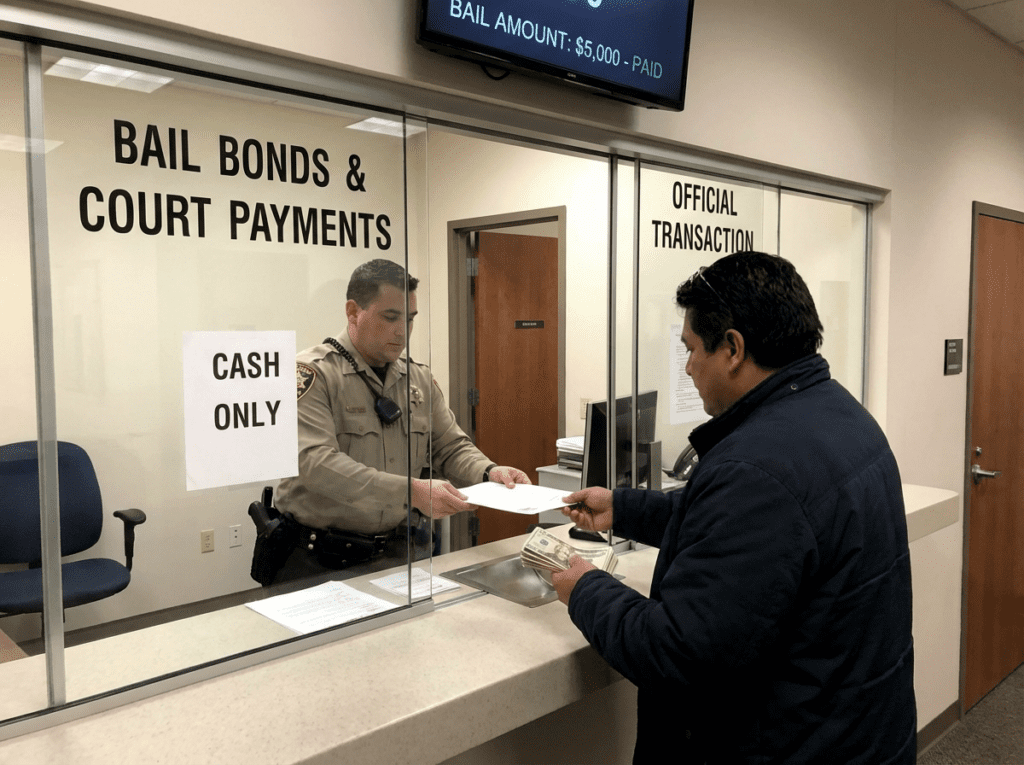
Bail bond companies charge fees. The fee is usually 10-15% of bail. You pay this to get released.
Fees are non-refundable. You don’t get money back if charges are dropped. You pay for the service.
Payment plans are available. Ask your bail agent about options. Make payments on time always.
Court Costs and Fines
The court charges filing fees. You pay for your case to proceed. These fees are mandatory.
Fines are ordered by the judge. They’re part of your sentence. You must pay them all.
Ask about payment plans. The court may allow installments. Never ignore payment orders.
Violating Bail Conditions: What Happens
Violating bail is serious. The court can arrest you again. You may lose your freedom and money.
The judge can set a higher bail. You may face new charges. Your bond company may refuse to help again.
Always tell your lawyer if you have problems. Ask for help before you violate a rule. The court may work with you if you are honest.
Arrest for Violations
Police can arrest you anytime. Violations trigger arrest warrants. You go back to jail immediately.
Bail is revoked. You lose your freedom. You wait in jail for trial.
Your bond money is forfeited. You don’t get it back. Your bail agent loses money, too.
New Criminal Charges
Violations can become new crimes. Fleeing is a felony. Violating no-contact orders is a crime.
You face additional charges. Your sentence gets longer. Your case becomes much worse.
Bail Hearing After Violation
The court holds a hearing. The prosecutor presents evidence. Your lawyer defends you.
The judge decides your fate. You might get another chance. You might stay in jail.
How to Change Your Bail Conditions
If your situation changes, ask for new rules. Your lawyer can file a motion. The judge decides on changes.
Good reasons include a new job, illness, or family needs. The court may allow travel or change check-in times.
Never break a rule before asking. Always wait for written approval. Keep copies of all court orders.
Filing a Motion to Modify
Your lawyer prepares a written motion. It explains why conditions should change. It includes supporting documents.
The motion goes to the judge. The prosecutor gets a copy. They can object or agree.
The judge reviews everything. A hearing might happen. You might testify about your situation.
Reasons for Modification
New employment is a valid reason. You might need to travel for work. The court may allow it.
Family emergencies qualify. A sick relative might need care. The court may grant permission.
Health issues matter. Medical appointments might require travel. The court may modify conditions.
Financial hardship is considered. You might not be able to afford fees. The court may adjust payment plans.
FAQs
Q. Can I travel outside Arizona while on bail?
No, unless the court gives written permission. Always ask the judge first. Keep proof of approval with you. Traveling without permission is fleeing. You’ll be arrested immediately. Your bail will be revoked. The court takes travel violations very seriously. Never risk it.
Q. Can my bail conditions be changed after release?
Yes, you can ask the court for changes. Your lawyer can file a motion. The judge must approve any change. Conditions can be modified for good reasons. New jobs, health issues, or family needs qualify. The process takes time. Be patient and follow current rules. Never break conditions while waiting for approval.
Conclusion
Bail conditions in Arizona are strict. Following them keeps you out of jail. Know your rules and rights.
Always ask questions if unsure. Work with your lawyer and bail agent. Stay compliant for the best outcome.
The Bail Barn helps you understand and follow bail rules. We support you every step. Let us guide you to freedom.
Bail is your chance to stay out. Don’t waste it. Follow every rule carefully. Your future depends on it.
Stay focused on your case. Prepare your defense. Show the court you’re responsible. Good behavior helps everything.
Remember that conditions are temporary. They end when your case ends. Stay strong and follow through.
CTA
Facing bail conditions in Arizona? Need help understanding the rules? Call The Bail Barn now for clear answers and fast support.
Our team knows Arizona law. We help you stay out of jail. Contact us 24/7 for guidance and bail assistance.
We understand your situation. We’ve helped thousands of people. We know what works in Arizona courts.
Don’t face this alone. Get professional help today. Call us now for a free consultation.
Website: www.thebailbarn.com
Hours: 24/7 Available
We’re here for you. We answer quickly. We provide real solutions. Call The Bail Barn today.
Tags
ArizonaBail, BailConditions, TheBailBarn