
Learn Arizona jail visit rules, tips, and family support. Navigate visitation policies. Connect with your loved one safely today.
Table of Contents
- Understanding Jail Visits in Arizona
- Preparing for Your First Jail Visit
- What You Can and Cannot Bring
- Dress Code Rules and Requirements
- Scheduling and Arrival Process
- During the Visit: What to Expect
- Visiting with Children and Minors
- Virtual Visitation Options
- Common Mistakes Families Make
- Emotional Support Resources
- FAQs
- Conclusion
- CTA
Understanding Jail Visits in Arizona

Visiting a loved one in jail feels overwhelming. Family visits matter deeply. They help inmates stay connected to home.
Jail visits reduce inmate stress levels. They improve mental health outcomes. They support rehabilitation and recovery.
Arizona jails welcome family members. Each facility has different rules. You must follow all guidelines carefully.
Why Family Visits Matter Most
Inmates benefit from family support. They feel less isolated and alone. Visits boost their emotional wellbeing significantly.
Family members also gain peace of mind. You see your loved one in person. You know they are safe and healthy.
Children benefit from seeing parents. They understand the situation better. They maintain important family bonds.
Arizona Jail Visitation System Overview
Arizona operates county jails statewide. Each county manages its own facility. Rules vary by location and jail.
Maricopa County jails serve Phoenix area. Pima County jails serve Tucson area. Each has unique visitation policies.
You must contact your specific jail. Ask about their exact rules. Get information before you visit.
Preparing for Your First Jail Visit
Planning ahead prevents problems. Start by identifying the correct jail. Call the facility to confirm details.
Ask about visiting hours and days. Find out if appointments are required. Learn what items you can bring.
Get the inmate’s booking number. Provide your full legal name. Have your ID ready for verification.
Finding the Right Jail Facility
Your loved one goes to a specific jail. It depends on where they were arrested. County jails hold local inmates.
Federal facilities hold federal prisoners. State prisons hold convicted inmates. Understand the difference for your situation.
Call ahead to confirm location. Ask for the visitation department. Write down all important information.
Scheduling Your Jail Visit
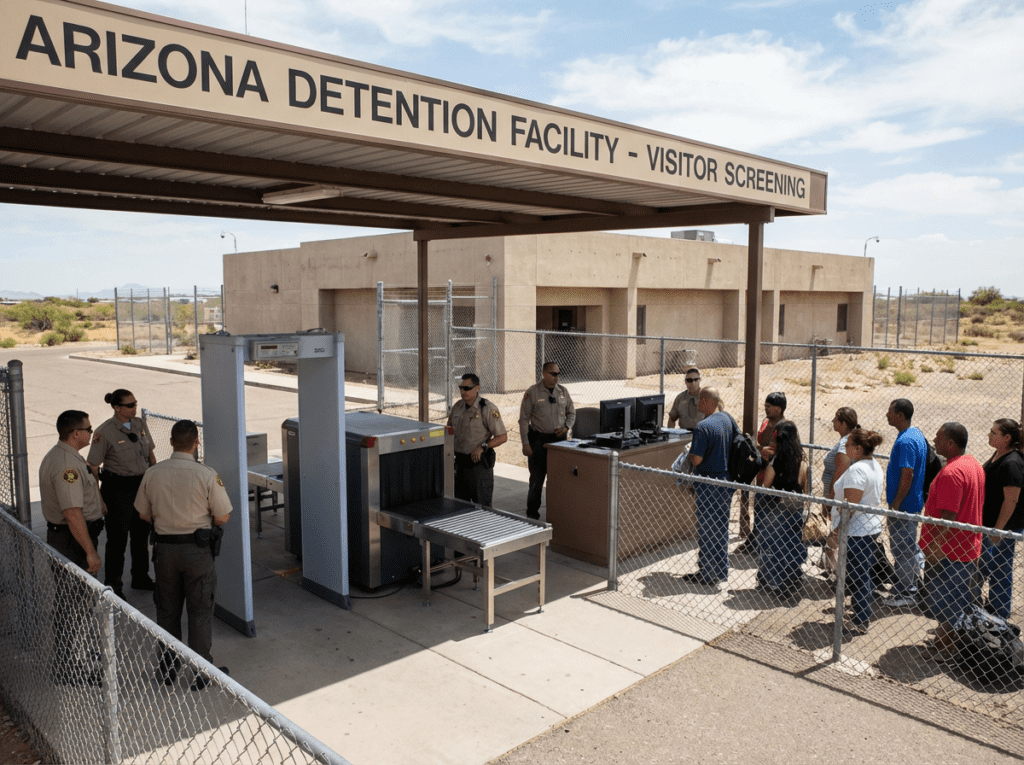
Jail security checkpoint with metal detector for visitor screening at Arizona detention facility.
Most Arizona jails require advance scheduling. Call during business hours. Provide the inmate’s name and booking number.
Some jails use online scheduling systems. Check the facility’s website. Create an account for easy booking.
Confirm your appointment before arriving. Arrive at least 15 minutes early. Plan extra time for security checks.
Getting Your Visitor Information Ready

Bring a valid government ID always. Driver’s license works perfectly. Passport or military ID also work.
Write down the inmate’s full name. Include their booking number. Have the jail’s address and phone number.
Bring any required forms or documents. Ask the jail what paperwork you need. Complete everything before arrival.
What You Can and Cannot Bring
Jails have strict item policies. Contraband is taken very seriously. Violations can result in arrest.
Approved Items for Jail Visits
You can bring valid identification. Bring a small amount of cash. Some jails allow quarters for vending machines.
Bring necessary medications if needed. Ask the jail about medical items. Get approval before bringing anything medical.
Bring eyeglasses or hearing aids. Bring dentures if the inmate needs them. Medical devices are usually permitted.
Prohibited Items You Cannot Bring
Never bring weapons of any kind. Knives, guns, and tools are forbidden. Even small pocket knives are banned.
Don’t bring drugs or alcohol. Don’t bring tobacco products. So, don’t bring cell phones or cameras.
Never bring money or gift cards. Don’t bring jewelry or watches. Don’t bring perfume or cologne.
Why These Rules Exist
Contraband endangers everyone inside. Weapons create serious safety risks. Drugs fuel addiction and violence.
Cell phones allow inmates to commit crimes. Cameras violate other inmates’ privacy. These rules protect all people.
Understanding rules helps you comply. You want to visit safely. You want your loved one to stay safe.
Dress Code Rules and Requirements
Arizona jails enforce strict dress codes. Violations result in visit denial. Dress appropriately to see your loved one.
What to Wear to Jail Visits
Wear modest, clean clothing always. Long pants or jeans work well. Avoid shorts or sleeveless shirts.
Wear closed-toe shoes or sneakers. Avoid flip-flops or sandals. Wear a simple shirt or blouse.
Choose neutral colors when possible. Black, white, and blue are safe. Avoid bright neon colors.
What Not to Wear
Never wear gang-related clothing. Don’t wear clothing with offensive symbols. Avoid anything with violent messages.
Don’t wear revealing or tight clothing. Avoid low-cut tops or short skirts. Don’t wear transparent fabrics.
Never wear clothing matching inmate uniforms. Don’t wear red or blue gang colors. Avoid anything that looks like a weapon.
Why Dress Code Matters
Dress codes maintain facility security. They prevent gang identification. They show respect for the facility.
Inappropriate dress gets you denied entry. You’ll waste time and money. You’ll disappoint your loved one.
Dressing properly shows respect. It demonstrates your commitment. It helps visits go smoothly.
Scheduling and Arrival Process
Arriving early prevents stress. Plan your trip carefully. Know exactly where you’re going.
How to Schedule Your Visit
Call the jail’s visitation department. Provide the inmate’s information. Ask about available visiting times.
Book your appointment in advance. Confirm the date and time. Write everything down clearly.
Arrive 15 minutes before your scheduled time. Plan for traffic and parking. Bring all required documents.
What Happens When You Arrive
Check in at the main entrance. Show your valid identification. Tell staff the inmate’s name.
Answer security questions honestly. Sign the visitation log. Follow all staff instructions carefully.
Go through metal detectors. Allow bag searches. Cooperate fully with security procedures.
Security Screening Process
Metal detectors scan for weapons. Staff may pat you down. This protects everyone inside.
Bags get searched thoroughly. Staff look for contraband. Be patient during this process.
You may be asked personal questions. Answer honestly and calmly. Staff want to ensure safety.
During the Visit: What to Expect

Jail visits have specific procedures. Understanding them reduces anxiety. You’ll feel more prepared and confident.
Visit Duration and Format
Most visits last 15 to 60 minutes. Some jails limit visit length. Ask about time limits beforehand.
You may speak through glass barriers. Some facilities allow contact visits. Ask which type your jail offers.
Speak clearly and calmly. Don’t raise your voice. Follow all staff instructions immediately.
Communication Guidelines
Keep conversations positive and uplifting. Avoid discussing legal cases. Don’t mention escape or contraband.
Talk about family and home. Share positive news and updates. Ask about their wellbeing and needs.
Listen more than you talk. Show genuine interest. Make your loved one feel valued.
Behavior Expectations
Remain calm and respectful always. Don’t argue with staff. Don’t touch the glass or barriers.
Follow all facility rules exactly. Respect other visitors and inmates. Keep conversations appropriate.
If staff asks you to leave, comply immediately. Don’t create disturbances. Maintain your visiting privileges.
Visiting with Children and Minors
Children can visit jails in Arizona. Rules vary by facility. Ask about age restrictions beforehand.
Preparing Children for Visits
Explain the situation honestly. Use age-appropriate language. Prepare them for what they’ll see.
Tell them about security checks. Explain glass barriers or phone systems. Answer their questions truthfully.
Reassure them about safety. Explain that staff keep everyone safe. Help them feel comfortable and secure.
What Children Should Know
Children should dress appropriately. They follow the same dress code. They must behave respectfully.
Children cannot bring toys or games. They cannot bring phones or cameras. They must follow all rules.
Keep visits short for young children. Limit visits to 20-30 minutes. Younger kids have shorter attention spans.
Bringing Infants and Babies
Infants can usually visit. Ask about diaper changing facilities. Bring necessary supplies.
Some jails allow formula and bottles. Ask what you can bring. Prepare in advance for baby needs.
Keep babies calm and quiet. Minimize stress for your loved one. Make the visit pleasant for everyone.
Virtual Visitation Options

Arizona jails now offer video visits. These work when in-person visits aren’t possible. Virtual visits provide meaningful connection.
How Virtual Visits Work
Contact the jail about video visitation. Ask about scheduling and costs. Learn about the technology used.
Use a computer, tablet, or phone. Connect to the jail’s video system. Follow all technical instructions.
Dress appropriately for video visits. Maintain professional appearance. Show respect through your presentation.
Benefits of Virtual Visits
Virtual visits save time and money. You don’t need to travel. You can visit from home.
Virtual visits work for distant family. They help during bad weather. They provide flexible scheduling.
Virtual visits maintain connection. They reduce inmate isolation. They support family relationships.
Technical Requirements
You need reliable internet connection. Use a device with a camera. Test your equipment beforehand.
Download required software in advance. Create an account if needed. Follow all security protocols.
Have your inmate’s information ready. Know the exact visit time. Be online before your scheduled time.
Common Mistakes Families Make
Avoiding mistakes ensures successful visits. Learn what not to do. Protect your visiting privileges.
Bringing Prohibited Items
Never attempt to bring contraband. Don’t hide items in clothing. Don’t try to sneak anything past security.
Violations result in arrest. You lose visiting privileges. Your loved one faces additional charges.
Ask the jail about allowed items. Follow rules exactly. Respect the security process.
Missing Appointments
Cancellations disappoint your loved one. They affect inmate morale. They waste the jail’s resources.
If you can’t visit, call ahead. Cancel as soon as possible. Reschedule for another time.
Arrive on time always. Plan for traffic delays. Don’t be late to your appointment.
Violating Dress Code
Inappropriate clothing gets you denied. You won’t see your loved one. You’ll waste time and gas money.
Dress modestly and appropriately. Check the dress code beforehand. Ask if you’re unsure about anything.
Wear neutral colors and simple clothing. Avoid anything that violates rules. Show respect through your appearance.
Discussing Illegal Activities
Never discuss escape plans. Don’t talk about smuggling contraband. Don’t mention illegal activities.
Staff monitor all conversations. Violations result in visit termination. Your loved one faces additional charges.
Keep conversations positive and legal. Focus on family and support. Maintain appropriate boundaries.
Emotional Support Resources
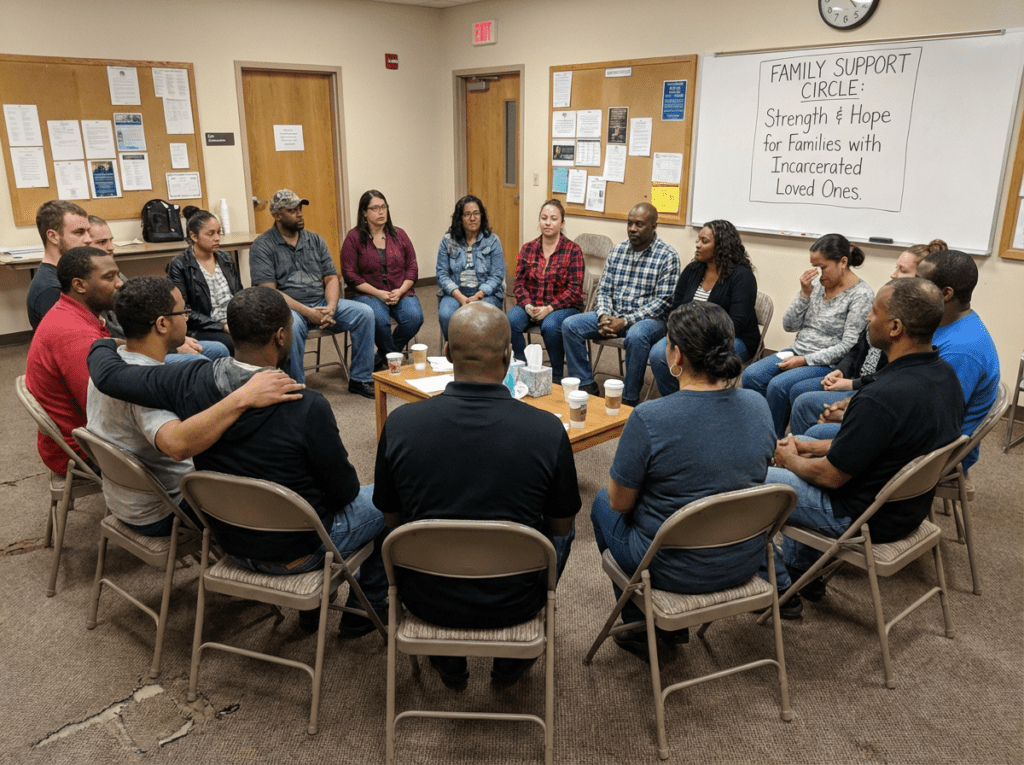
Jail visits affect your emotions. Family members experience stress and anxiety. Support helps you cope.
Finding Support Groups
Arizona offers family support groups. These groups help people cope. Members understand your situation.
Search online for local groups. Contact community organizations. Ask your jail about resources.
Support groups provide understanding. Members share experiences and advice. You feel less alone.
Mental Health Resources
Consider counseling or therapy. Mental health professionals help. They provide coping strategies.
Contact local mental health agencies. Ask about sliding scale fees. Many services are affordable.
Take care of your emotional health. Prioritize your wellbeing. Support yourself while supporting others.
Building Your Support Network
Talk to trusted family members. Share your feelings and concerns. Accept help from others.
Connect with friends who understand. Join online communities. Reach out when you need support.
Remember you’re not alone. Many families face similar situations. Support exists and helps.
FAQs
How often can I visit an inmate in Arizona?
Visit frequency varies by jail. Most facilities allow weekly visits. Some allow multiple visits per week. Ask your specific jail about their schedule. Contact the visitation department. Get exact information for your situation.
Can I bring my children to jail visits?
Yes, children can visit in Arizona. Age restrictions vary by facility. Ask about minimum age requirements. Prepare children for the experience. Explain what they’ll see. Keep visits short and positive.
What should I do if I’m denied entry to the jail?
Ask staff why you were denied. Listen to their explanation. Ask what you need to change. Correct the problem for next time. Reschedule your visit. Call ahead to confirm you’re approved.
Conclusion
Jail visits strengthen family bonds. They support your loved one’s wellbeing. They help with rehabilitation and recovery.
Arizona jails have specific rules. Following them ensures successful visits. You protect your visiting privileges.
Prepare thoroughly before visiting. Bring required documents. Dress appropriately and respectfully.
Understand what to expect. Know the process and procedures. Feel confident during your visit.
Support your loved one emotionally. Keep conversations positive. Maintain family connections.
Seek support for yourself. Join groups or get counseling. Take care of your mental health.
The Bail Barn understands family challenges. We support you through difficult times. We provide bail services and guidance.
CTA
Your loved one needs family support. Jail visits matter deeply. Start planning your visit today.
Contact your local Arizona jail. Schedule your first visit now. Bring the required documents.
Need help with bail or legal questions? The Bail Barn is here for you. Call us 24/7 for immediate assistance.
We serve Phoenix, Scottsdale, and all Arizona areas. Our team understands your situation. We provide compassionate, professional service.
Don’t wait another day. Reach out to The Bail Barn today. We help families reunite and move forward.
Website: www.thebailbarn.com
Hours: 24/7 Available
Tags
ArizonaJailVisits, FamilySupport, TheBailBarn